

Vision requirements for drivers in the UK are explained in detail. Learn DVLA eyesight standards for car, taxi, HGV & PCV drivers and book a DVLA-compliant driver medical today.
Introduction
Driving safely on UK roads depends heavily on good eyesight. Whether you are a private car driver, taxi driver, or HGV/PCV license holder, meeting the vision requirements for drivers in the UK is not optional—it is a legal responsibility. Poor vision increases accident risk and can lead to license refusal, suspension, or revocation by the DVLA.
At Precision Driver Medicals, we specialize in DVLA-compliant driver medicals, including professional eyesight and vision assessments for all driver categories across the UK. In this detailed guide, we explain everything you need to know about vision requirements for drivers in the UK, how they are tested, common reasons drivers fail, and how we can help you stay road-legal and confident.
Why Vision Standards Are Crucial for Drivers in the UK
Vision plays a vital role in reaction time, hazard perception, depth judgment, and night driving. That’s why the DVLA has strict eyesight standards for all license holders.
Failing to meet the vision requirements for drivers in the UK can result in:
- Refusal of a new driving license
- Delay in taxi, HGV, or PCV license approval
- License revocation if eyesight deteriorates
- Legal penalties if driving while not meeting DVLA vision rules
Maintaining good eyesight is not just about compliance—it’s about protecting yourself, your passengers, and other road users.
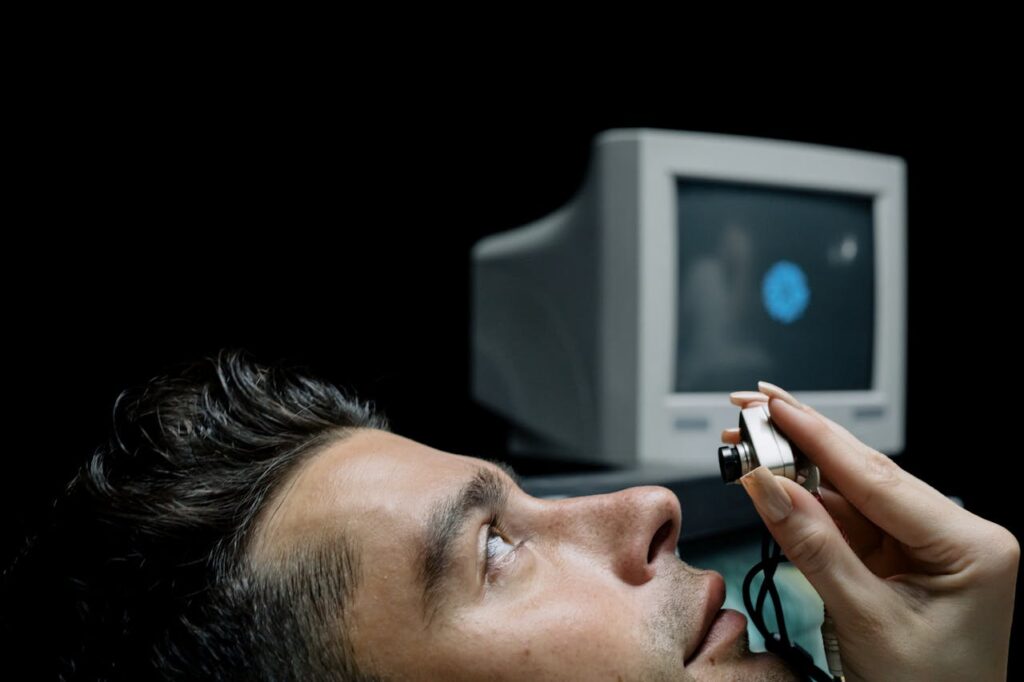
DVLA Vision Requirements for Car Drivers (Group 1)
Group 1 drivers include car and motorcycle license holders.
Minimum Vision Standards for Group 1
To meet the vision requirements for car drivers in the UK, you must:
- Read a standard number plate from 20 meters
- Have visual acuity of at least 6/12 (with glasses or contact lenses if required)
- Have an adequate field of vision
- Have no uncontrolled double vision (diplopia)
If you cannot meet these standards, you must not drive and should inform the DVLA immediately.
Vision Requirements for HGV, Bus & PCV Drivers (Group 2)
Group 2 drivers have stricter vision requirements due to increased responsibility and vehicle size.
DVLA Vision Standards for Group 2 Drivers
For HGV, LGV, and PCV drivers, the vision requirements for drivers in the UK include:
- Visual acuity of at least 6/7.5 in the better eye
- At least 6/60 in the other eye
- Measured using glasses or contact lenses if needed
- Horizontal field of vision of at least 160 degrees
- No uncontrolled double vision
- Stable vision conditions
Group 2 drivers must undergo regular DVLA D4 medical examinations, which include a full vision assessment.
Taxi & Private Hire Vision Requirements in the UK
Taxi and private hire drivers must meet both DVLA standards and local council requirements, which can vary by region.
Common requirements include:
- Meeting Group 2 or enhanced Group 1 standards
- Color vision assessment (in some councils)
- Regular vision testing at license renewal
- Corrective lenses must be worn if prescribed.
At Precision Driver Medicals, we are familiar with local authority vision requirements and ensure your medical meets council expectations.
How Vision Is Tested During a Driver Medical
During your appointment with us, your eyesight is tested professionally and efficiently.
Vision Tests Included in a Driver Medical
Our DVLA-compliant assessments typically include:
- Visual acuity testing (distance vision)
- Peripheral vision (field of vision) checks
- Confirmation of corrective lens use
- Medical history review relating to eye conditions
- Color vision check (where required)
All testing follows official vision requirements for drivers in UK standards to avoid delays or rejections.
Common Eye Conditions That Can Affect Driving Eligibility
Many drivers are unaware that certain eye conditions must be reported to the DVLA.
Conditions that may impact the vision requirements for drivers in the UK include:
- Glaucoma
- Cataracts
- Macular degeneration
- Diabetic retinopathy
- Retinal disorders
- Uncontrolled double vision
Not all conditions automatically disqualify you, but failure to disclose them can lead to serious legal consequences.
Can You Drive with Glasses or Contact Lenses?
Yes. The DVLA allows corrective lenses as long as your vision meets the required standard while wearing them.
Important points to remember:
- You must wear corrective lenses while driving if required.
- Your license may include a restriction code.
- Always bring your glasses or contacts to your medical appointment.
- Spare glasses are strongly recommended.
Corrective lenses are fully accepted under vision requirements for drivers in the UK.
What Happens If You Fail the Vision Test?
Failing a vision test does not always mean permanent license loss.
If You Do Not Meet Vision Requirements
You may need to:
- Visit an optician for updated corrective lenses
- Undergo further ophthalmology assessment
- Delay license approval until vision improves
- Follow DVLA instructions for reassessment
At Precision Driver Medicals, we guide drivers through next steps clearly and professionally.

How Often Should Drivers Have Their Eyes Tested?
To stay compliant with vision requirements for drivers in the UK, regular eye tests are strongly recommended.
Suggested frequency:
- Every 2 years for most drivers
- Annually for drivers over 45
- More frequently if you have eye conditions
- At every DVLA or council medical renewal
Proactive testing prevents last-minute surprises during license renewals.
Why Choose Precision Driver Medicals?
We are a trusted provider of DVLA-compliant driver medicals across the UK.
Our Advantages
- GMC-registered doctors
- DVLA-approved vision testing
- Nationwide clinic locations
- Fast appointments with minimal waiting time
- Expertise in HGV, PCV, taxi, and private hire medicals
- Clear guidance on vision requirements for drivers in the UK
We make the process smooth, stress-free, and fully compliant.
How to Prepare for Your Vision Test
Before your appointment, make sure you:
- Bring your glasses or contact lenses.
- Know your eye prescription if possible
- Rest your eyes before the test.
- Inform the doctor of any eye conditions.
- Avoid eye strain before testing.
Preparation improves accuracy and confidence.
Vision Requirements for Drivers in the UK – Final Thoughts
Meeting the vision requirements for drivers in the UK is essential for legal driving, license approval, and road safety. Whether you are a car driver, taxi driver, or professional HGV operator, eyesight standards must never be ignored.
At Precision Driver Medicals, we provide professional, DVLA-compliant vision assessments that help drivers stay road-legal without unnecessary stress or delays. Our experienced medical team ensures your eyesight is tested accurately and fairly, giving you confidence in your driving future.
Final Thought
Meeting the vision requirements for drivers in the UK is a legal responsibility and a critical part of safe driving. Whether you are a private car driver, taxi driver, or a professional HGV or PCV license holder, maintaining good eyesight ensures not only DVLA compliance but also the safety of everyone on the road.
Regular eye testing, early identification of vision issues, and completing a DVLA-compliant driver medical can prevent unnecessary license delays or refusals. At Precision Driver Medicals, we make the process simple, professional, and stress-free by providing accurate vision assessments conducted by experienced, GMC-registered doctors.
Top Services
- Driver Medical
- HGV/Lorry Drivers (HGV medical)
- Taxi Drivers (Hackney Carriage & Private Hire Medical)
- Private Hire
- PCV/Bus Drivers (PCV medical)
- PCO Medical
- Bus Medical Service
- Motorhome Medical
- Ambulance Medical
- Forklift Driver Medical
- TFL Medical
Top Links
- Book Liverpool City Council Private Hire Medicals
- Book Your Liverpool HGV Medical with Ease and Confidence
- Liverpool D4 Medical at Precision Driver Medicals
- HGV License Medical in Liverpool | Affordable Driver Medicals
- Taxi Medical Exam Liverpool
- HGV License Renewal Liverpool
- Our Google Reviews
- Area Coverage
- Home
- Booking Appointment
- FAQs
- Get Help
10 Important Links for Driver Medicals UK
- DVLA – D4 Medical Examination Report
→ Official D4 form for HGV/PCV drivers. - DVLA – Driving Licences for Lorry, Bus and Coach Drivers
→ Requirements for becoming a lorry or bus driver. - TfL – Private Hire and Taxi Driver Medical Requirements
→ TfL’s official medical guidelines for PCO/private hire drivers. - DVLA – Eyesight Rules for Drivers
→ Legal eyesight standards for all UK drivers. - DVLA – Medical Conditions and Driving
→ Guidance on how medical conditions affect driving eligibility. - NHS – Medical Exams for Professional Drivers
→ NHS overview of driver medical exams. - Driver & Vehicle Standards Agency (DVSA)
→ Regulator for driving and vehicle safety standards in the UK. - General Medical Council (GMC)
→ Authority for registered medical professionals in the UK. - Gov.uk – Renew Driving Licence
→ Process for renewing a UK driving licence. - National Register of LGV Instructors (NRI)
→ Training and standards for LGV/HGV instructors.
