

Learn how to prepare for a DVLA medical assessment after a referral. Documents, health records, eyesight checks and expert driver medicals in London.
How to Prepare for a DVLA Medical Assessment After a Referral: A Complete UK Guide
Receiving a letter from the Driver and Vehicle Licensing Agency (DVLA) requesting a medical assessment can be stressful, particularly when your driving licence and livelihood depend on the outcome. Knowing how to prepare for a DVLA medical assessment after a referral can make the process considerably easier. Whether you are an HGV driver, PCV driver, taxi operator or private hire professional, attending your assessment with the right documents, medical information and understanding of the requirements can help prevent unnecessary delays.
At Precision Driver Medicals, we provide professional driver medical assessments through GMC-registered doctors, helping drivers understand and complete the relevant medical examination process. Our services include DVLA-compliant Group 2 assessments, eyesight checks and flexible appointment options across our UK clinic network, including London locations.
Understanding Why the DVLA Has Referred You for a Medical Assessment
The DVLA is responsible for determining whether someone meets the medical standards required to hold a driving licence. If information about your health raises questions about your fitness to drive, the agency may request additional medical evidence or an examination.
A referral does not automatically mean that you will lose your driving licence. It means the DVLA needs further information before making or confirming a licensing decision.
There are several reasons why a driver may be referred for a medical assessment.
Common Reasons for a DVLA Medical Referral
The DVLA may request a medical assessment because of:
- A newly diagnosed medical condition that could affect driving safety.
- Diabetes requiring particular monitoring or treatment.
- Heart conditions, including certain cardiovascular diagnoses.
- Neurological conditions such as epilepsy or a history of seizures.
- Vision problems that may affect the ability to meet driving standards.
- Sleep disorders that could cause excessive daytime sleepiness.
- Mental health conditions or medication that may affect driving ability.
- Information received from a doctor, healthcare professional or another relevant source.
- A medical condition identified during a licence application or renewal.
The type of assessment depends on the information the DVLA needs. Some drivers may be asked to attend a medical examination, while others may need specialist reports, additional eyesight testing or further investigations.
Understanding the reason for your referral is the first step towards preparing properly.

How to Prepare for a DVLA Medical Assessment After a Referral
Preparation is particularly important when your assessment relates to a medical condition, an existing diagnosis or a Group 2 professional driving licence.
The purpose of the examination is to establish an accurate picture of your health and determine whether you meet the applicable medical standards.
Here are the practical steps to take before attending.
1. Read Your DVLA Referral Letter Carefully
Start by reviewing the letter you received from the DVLA. It should explain what information or medical evidence is required and whether you need to attend a specific examination.
Pay attention to:
- The medical condition or issue being investigated.
- Whether you need a general medical examination or a specialist assessment.
- Any forms that must be completed.
- Whether additional medical reports are required.
- Submission instructions and relevant deadlines.
- Contact details for further clarification.
Do not assume that every DVLA referral requires the same examination. A driver referred because of a cardiovascular condition may need different evidence from someone referred because of a vision problem.
If the instructions are unclear, contact the DVLA using the details provided in your correspondence before booking an appointment.
2. Gather Your Medical Records and Relevant Reports
Your medical history helps the examining doctor understand your current health and any previous conditions that may be relevant to driving.
Before the appointment, collect information about your diagnosis, treatment and medical progress.
Useful documents may include:
- Recent GP medical summaries.
- Hospital discharge letters.
- Specialist consultant reports.
- Results of relevant medical investigations.
- Details of previous operations or treatments.
- Recent blood test results, where relevant.
- Information about any ongoing monitoring.
- Details of previous episodes or complications relating to your condition.
You may not need every document listed above. The exact requirements depend on your referral and the nature of your medical assessment.
Having relevant records available can help the doctor make a more informed assessment and may reduce the need to request missing information later.
3. Prepare an Accurate List of Your Medication
Medication is an important part of assessing medical fitness to drive.
Some medicines can cause side effects such as dizziness, drowsiness, reduced concentration or slower reaction times. These effects may be particularly relevant for professional drivers who spend long periods behind the wheel.
Prepare a current medication list containing:
- The name of each prescribed medicine.
- The dosage you take.
- How frequently you take it.
- The reason it was prescribed.
- Any recent changes to your treatment.
- Any side effects you have experienced.
Include relevant over-the-counter medicines and supplements as well.
If you have recently stopped taking medication or changed your dosage, explain this during the appointment.
Never stop or alter prescribed medication simply to improve the outcome of a DVLA medical assessment. Discuss treatment concerns with your GP or prescribing clinician.
4. Understand the Medical Standards Relevant to Your Licence
Not every driving licence has the same medical requirements.
The DVLA separates drivers into different medical standards depending on the type of vehicle they are licensed to operate.
For professional drivers, understanding Group 2 requirements is particularly important.
DVLA Group 2 Medical Requirements for HGV and PCV Drivers
Group 2 medical standards apply to drivers holding or applying for certain large vehicle entitlements, including heavy goods vehicles and passenger-carrying vehicles.
These standards are more demanding than the ordinary Group 1 requirements because operating larger vehicles involves additional responsibilities and potential safety considerations.
Group 2 covers relevant licence categories for:
What Does a Group 2 Medical Assessment Involve?
A Group 2 medical examination generally involves a review of your medical history and an assessment of relevant physical and medical factors.
Depending on your circumstances, the doctor may assess:
Blood pressure: Blood pressure is checked because certain levels and associated cardiovascular conditions can affect Group 2 licensing eligibility.
Vision: Your eyesight must meet the applicable Group 2 standards. Visual acuity and other relevant aspects of vision may be assessed.
Diabetes: Your treatment and diabetes history may need to be reviewed, particularly where medication or insulin is involved.
Cardiovascular health: The doctor may review previous heart conditions, treatment and any relevant specialist reports.
Neurological health: Conditions such as epilepsy, seizures or other neurological disorders may require further evidence.
General medical history: Other conditions, treatments and symptoms may be considered where they could affect safe driving.
Meeting the requirements is assessed individually. A diagnosis does not necessarily mean that someone automatically fails a medical assessment.
Understanding the D4 Medical Examination Form
The D4 medical examination report is used for relevant Group 2 bus and lorry licence applications and renewals.
It contains sections covering personal details, medical history and eyesight, together with the examining medical professional’s assessment.
When preparing for a D4 medical, remember to:
- Obtain the correct and current D4 form.
- Complete the applicant sections where instructed.
- Bring the form to your appointment.
- Provide accurate information about your health.
- Check that all required sections have been completed and signed.
The D4 form is generally valid for four months from the date of examination. Therefore, it is sensible to arrange the assessment at an appropriate time before submitting your application.
Importantly, a DVLA referral is not necessarily the same as a routine D4 examination. Follow the specific instructions in your referral letter to establish which form or examination you need.
5. Prepare for the Eyesight Examination
Good eyesight is essential for safe driving, particularly when operating commercial vehicles.
A vision assessment forms part of the Group 2 D4 medical process. Depending on the circumstances and the examining doctor’s ability to complete the relevant section, an optician or optometrist may need to carry out the eyesight assessment.
Before attending, make sure you have:
- Your current driving glasses.
- Contact lenses, if you normally use them for driving.
- Your latest glasses prescription, where applicable.
- Details of any previous eye conditions or treatment.
- Relevant ophthalmology or optometry reports, if requested.
If you wear glasses to meet the required driving eyesight standard, the assessment must use the prescription you currently wear for driving.
At Precision Driver Medicals, free eye tests are included with relevant driver medical services, helping professional drivers complete an important part of their assessment conveniently.
6. Be Honest About Your Medical History
One of the most important aspects of preparing for a DVLA medical assessment after a referral is providing accurate information.
Some drivers feel nervous about discussing medical conditions because they are concerned about losing their licence or affecting their employment.
However, withholding relevant medical information can create complications and may affect the reliability of the assessment.
During your appointment, explain:
- Your current symptoms.
- Any previous medical episodes.
- Your treatment history.
- Whether your condition has improved or worsened.
- Any difficulties experienced while driving.
- Side effects associated with your medication.
- Advice previously received from your GP or specialist.
If you are unsure about a medical detail, say so rather than guessing.
The doctor needs a clear understanding of your circumstances to complete an appropriate assessment.
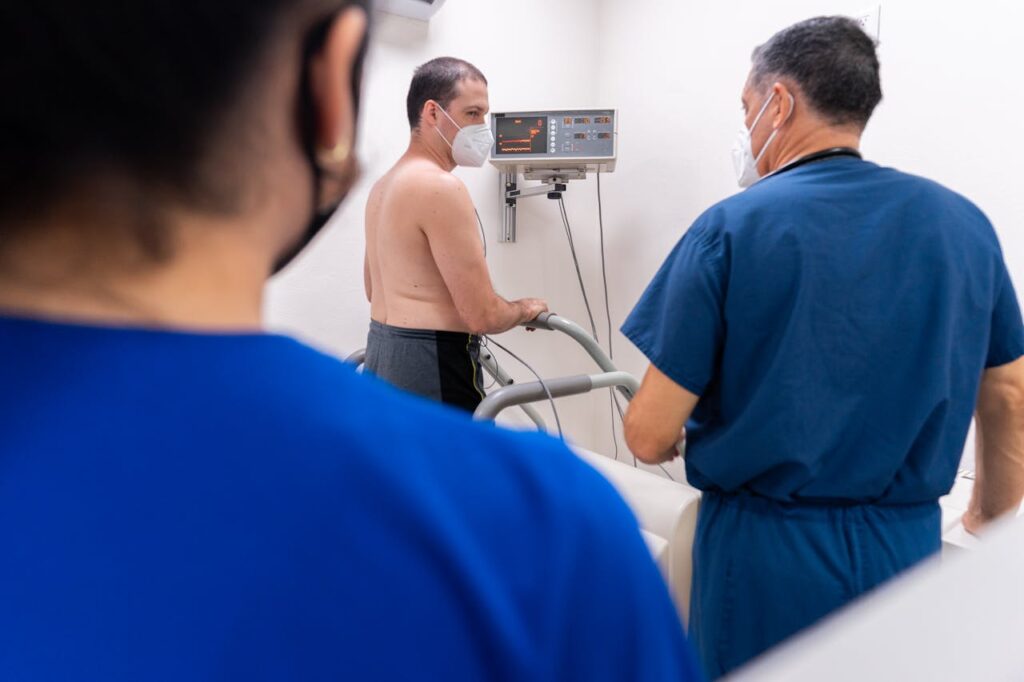
What Happens During a DVLA Medical Assessment?
Understanding the appointment process can help reduce uncertainty and make the experience more comfortable.
Although the exact examination depends on the reason for referral, a professional driver medical assessment generally involves several stages.
Reviewing Your Medical History
The doctor will ask questions about your health, previous diagnoses, current medication and relevant treatment.
For drivers referred by the DVLA, this stage is particularly important because the examination may need to address a specific medical concern.
Carrying Out Relevant Health Checks
Depending on the assessment requirements, the examination may include:
- Blood pressure measurement.
- Height and weight recording.
- Relevant physical examinations.
- Review of cardiovascular history.
- Assessment of neurological history.
- Diabetes-related questions.
- Vision assessment.
Not every examination includes every check. The doctor will follow the relevant medical requirements and the information requested by the DVLA.
Completing the Required Medical Documentation
Where a D4 examination is required, the examining doctor completes the appropriate medical sections.
The applicant must also complete their own sections and provide accurate information.
If additional evidence is required, the DVLA may request further reports or investigations before reaching a decision.
It is important to understand that completing the medical examination does not automatically guarantee that your licence will be approved. The DVLA makes the final licensing decision based on the available evidence and applicable standards.
Medical Assessments for Taxi and Private Hire Drivers
Taxi and private hire drivers also need to understand the medical requirements that apply to their licensing arrangements.
Unlike ordinary car drivers, professional passenger-carrying drivers may be required to meet Group 2 medical standards.
However, licensing requirements can vary between local authorities.
In London, Transport for London (TfL) is responsible for taxi and private hire driver licensing requirements. Drivers applying outside the Metropolitan area should check the relevant local council’s medical requirements.
Preparing for a Taxi or Private Hire Medical
Before attending, check whether your licensing authority requires:
- A specific medical examination form.
- A Group 2 medical assessment.
- Previous medical records.
- Additional information from your GP.
- A separate vision assessment.
- A medical declaration or supporting documentation.
At Precision Driver Medicals, we provide medical assessment services for taxi, PCO and private hire drivers.
We understand that professional drivers need an efficient booking process and clear guidance about the medical documentation required.
If you are unsure which form your council or licensing authority accepts, confirm the requirements before attending.
Why Choose Precision Driver Medicals for Your Assessment in London?
Choosing an experienced provider can make preparing for your medical examination easier.
At Precision Driver Medicals, our services are designed around the needs of professional drivers who require accurate, efficient and convenient medical assessments.
We provide driver medical services across the UK, including London-area clinic locations.
GMC-Registered Doctors
Our medical examinations are carried out by GMC-registered doctors who understand the medical requirements relevant to professional driving licences.
This helps ensure that the assessment is conducted by an appropriately registered medical professional and that the relevant documentation is completed correctly.
DVLA-Compliant Driver Medical Assessments
Professional drivers need assessments that follow the relevant DVLA medical guidance.
Our services include Group 2 driver medical examinations for eligible HGV and PCV drivers, alongside medical assessments for taxi and private hire licensing.
Convenient London Clinic Locations
Travelling across London for a medical appointment can be difficult, especially for drivers working long or irregular hours.
Precision Driver Medicals provides clinic options serving London and surrounding areas, including locations such as Ilford and Colindale.
This gives drivers greater flexibility when arranging their appointments.
Same-Day, Evening and Weekend Appointments
Professional drivers cannot always take time away from work during ordinary weekday hours.
To make booking easier, we offer flexible appointment options, including:
- Same-day appointments, subject to availability.
- Evening appointments.
- Weekend appointments.
- Convenient online booking.
- Flexible appointment arrangements.
If you cannot find a suitable appointment online, contact our team to discuss available options.
Free Eye Tests with Relevant Medical Services
Vision assessments are an important part of professional driver medical examinations.
Relevant Precision Driver Medicals appointments include a free eye test, helping drivers complete the required eyesight checks as part of their medical arrangements.
Common Mistakes to Avoid Before Your DVLA Medical Assessment
Even when drivers understand the purpose of their medical examination, small preparation mistakes can lead to unnecessary delays.
Avoid the following:
Arriving without the correct paperwork: Always check your referral letter and bring the forms specifically requested.
Forgetting your medical history: Relevant GP summaries, specialist reports and treatment information can help the doctor assess your circumstances.
Providing incomplete medication details: Bring an accurate list of your current medicines and dosages.
Ignoring eyesight requirements: Remember your driving glasses, contact lenses and relevant prescription details.
Assuming every medical assessment is identical: The requirements for a routine D4 examination may differ from an assessment requested following a specific medical referral.
Leaving booking arrangements until the last minute: Arrange your appointment early enough to allow time for any additional evidence or examinations that may be required.
A little preparation can make the appointment more straightforward and help you avoid preventable administrative problems.

Book Your DVLA Medical Assessment with Precision Driver Medicals
If the DVLA has referred you for a medical assessment, taking the right steps before your appointment can make a meaningful difference to how smoothly the process progresses.
Understanding your referral, gathering relevant medical records, preparing your medication details and checking the applicable Group 2 requirements will help you arrive better prepared.
At Precision Driver Medicals, we actively provide professional driver medical assessments for HGV, LGV, PCV, taxi and private hire drivers. With GMC-registered doctors, DVLA-compliant assessment services, free eye tests with relevant appointments and flexible booking options, we aim to make the process convenient and straightforward.
Whether you need a D4 medical, an HGV driver medical, a PCV medical or a taxi and private hire medical in London, our team is here to help you arrange the appropriate service.
Do not leave your medical assessment until the last minute. Contact Precision Driver Medicals today or book your appointment online to arrange your medical with confidence and take the next step towards meeting your driving licence requirements.
Related Topics
- DVLA Group 2 Medical Standards for HGV & PCV Drivers
- DVLA Driver Medical Requirements | Complete UK Guide
- DVLA Medical Standards for Drivers: Everything You Need to Know
- DVLA Medical Form Completion – Driver Medicals
- Medical D4 Form – HGV, PCV & Taxi Specialists
- D4 Medicals for Professional Drivers in UK
- D4 Medicals in UK | DVLA Group 2 Standards Guide
- How Long Will the Medical Examination Take?
- D4 Driver Medical Croydon
- Does HGV Medical Test for Drugs in UK?
- Same Day Driver Medicals in Birmingham | Book Today
- Precision Driver Medicals – Frequently Asked Questions

